
Quick answer
Deep work is focused, distraction-limited work on cognitively demanding tasks. It works best when you define the outcome, remove competing inputs, use a bounded session, and protect recovery. The goal is not to be unreachable all day. The goal is to reserve serious attention for work that deserves it.


Definition: Deep work is a protected period of concentration used for complex, valuable tasks that require sustained attention, learning, problem solving, writing, building, or strategic thinking.
Important related entities include deep work, focus, distraction, single-tasking, attention residue, shallow work, focus block, flow, cognitive load. Covering these naturally helps the article answer follow-up questions, build topical authority, and connect to the rest of the Gear Up to Grow library.
Who this guide is for
This guide is for knowledge workers, students, creators, and entrepreneurs who need longer periods of concentrated attention. It is also useful for readers who have tried apps, checklists, routines, or motivational advice but still need a calmer system that works in ordinary conditions. The method favors clarity, small starts, better cues, and weekly review over perfection.
The practical framework
A strong framework should be small enough to remember and detailed enough to use under pressure. Use the sequence below as the operating system for deep work.
- Choose one task that deserves deep attention
- Define the output before starting
- Remove alerts and visible inputs
- Set a realistic session length
- Capture interruptions for later
- End with a short shutdown note
- Schedule the next block before leaving
| Situation | Best next move | Principle |
|---|---|---|
| Overwhelmed | Capture every open loop in one list, then choose the next visible action. | Clarity before intensity |
| No motivation | Lower the starting step until it feels almost too easy. | Reduce activation energy |
| Too many priorities | Compare tasks by consequence, impact, deadline, and effort. | Choose before you schedule |
| Low energy | Use the minimum version or choose maintenance work. | Match task to capacity |
| Frequent interruptions | Create a capture list and a protected block. | Protect attention |
| Repeated relapse | Review the system instead of blaming your character. | Recovery is part of the design |
Step-by-step implementation
1. Choose one task that deserves deep attention
Start by making the problem visible. Do not improve a vague system. Write down where the friction appears, when it happens, what trigger usually comes before it, and what outcome you actually want. A clear map turns the topic from an abstract idea into a behavior you can adjust.
2. Define the output before starting
Choose a small number of outcomes. Too many priorities create constant renegotiation. A better approach is to decide what deserves attention before the day fills with messages, errands, pressure, and other people’s urgency.
3. Remove alerts and visible inputs
Protect the first useful action. Make the cue visible, remove one obstacle, and define what counts as done. When the starting step is clear, you spend less energy deciding and more energy acting.
4. Set a realistic session length
Group similar work so your attention is not constantly switching. A routine does not need to be rigid to be useful. It needs a place, a cue, a finish line, and a recovery rule for disrupted days.
5. Capture interruptions for later
Add buffer time and emotional realism. Most plans fail because they assume uninterrupted energy. Build a smaller version for hard days and a realistic version for normal days.
6. End with a short shutdown note
Track the smallest useful signal. Completion, start time, number of focused blocks, avoided distractions, or weekly review notes can be enough. The goal is feedback, not surveillance.
7. Schedule the next block before leaving
Review weekly. Ask what became easier, what created friction, what should be removed, and what deserves more protection next week. This is where the system becomes personal instead of generic.
Decision table: what to do next
| Need | Move | When to use it |
|---|---|---|
| Best first move | Choose one task that deserves deep attention | Use this when the topic feels vague and you need traction. |
| Best planning move | Define the output before starting | Use this when you have too many options and need a decision. |
| Best execution move | Remove alerts and visible inputs | Use this when the plan exists but action is inconsistent. |
| Best recovery move | Schedule the next block before leaving | Use this when the week did not go as planned. |
Examples by real-life context
For a busy professional
Use deep work to protect one high-value block before meetings and messages fragment the day. The practical move is to decide the next output, clear the first obstacle, and write the fallback version before the week becomes crowded.
For a student or learner
Turn deep work into a repeatable study behavior. Choose the next lesson, problem set, reading block, or review session. Then connect the action to a visible cue so studying starts before motivation has to be negotiated.
For a creator or entrepreneur
Use deep work to separate idea generation from shipping. Put research, creation, editing, admin, and review into different containers so progress is not buried under planning.
For a low-energy day
Use the minimum version. The goal is not peak performance. The goal is to preserve trust with the system by doing the smallest useful action and leaving a clean restart point.
Common mistakes
| Mistake | Why it hurts | Better approach |
|---|---|---|
| Making the system too big | A complicated setup fails on ordinary busy days. | Start with the smallest useful behavior and expand only after it works. |
| Using guilt as fuel | Pressure can create a sprint but rarely creates a stable system. | Use structure, cues, feedback, and recovery rules. |
| Ignoring energy | The same task feels different at different points in the day. | Match demanding work to better energy when possible. |
| Confusing planning with progress | Planning feels productive even when no action follows. | End every planning session with a scheduled next action. |
| Never reviewing | Old assumptions keep controlling the routine. | Run a short weekly review and adjust the system. |
Recommended tools and Amazon product boxes
papalex-20. Prices, reviews, and availability can change, so verify details on Amazon before buying.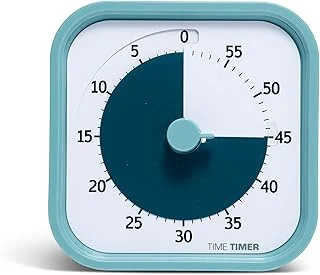
Time Timer MOD 60-Minute Visual Timer
Relevant for readers who want a physical tool that supports the system in this guide. Check Amazon for current price, availability, reviews, and exact product details before buying.
- Direct Amazon product page
- Useful for planning, tracking, or focus support
- No price or rating claims are made here

TIME TIMER 8 Inch Visual Timer
Relevant for readers who want a physical tool that supports the system in this guide. Check Amazon for current price, availability, reviews, and exact product details before buying.
- Direct Amazon product page
- Useful for planning, tracking, or focus support
- No price or rating claims are made here
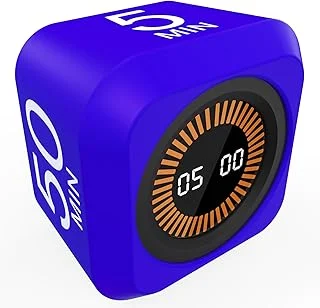
Rotating Cube Pomodoro Visual Timer
Relevant for readers who want a physical tool that supports the system in this guide. Check Amazon for current price, availability, reviews, and exact product details before buying.
- Direct Amazon product page
- Useful for planning, tracking, or focus support
- No price or rating claims are made here
Best for / avoid if
| Best for | Avoid or adjust if |
|---|---|
| Readers who want a practical, repeatable, low-hype system for deep work. | Readers need medical, legal, financial, or crisis support. In those cases, the article should direct them to qualified help. |
| People who want clear steps and real-life examples. | People are trying to fix every area of life at once. Start with one behavior. |
30-day action plan
Days 1-3: simplify the system and choose the minimum version. Days 4-10: repeat the cue and action without adding complexity. Days 11-20: refine the timing, environment, and friction points. Days 21-30: scale carefully only if the minimum version is stable.
Frequently asked questions
What is the quickest way to start with deep work?
Start with the smallest visible behavior: choose one task that deserves deep attention. Then make the next action easy enough to complete on an ordinary busy day.
Who is this deep work guide best for?
This guide is best for knowledge workers, students, creators, and entrepreneurs who need longer periods of concentrated attention. It avoids hype and focuses on practical choices readers can repeat.
What should I avoid when applying deep work?
Avoid turning the method into a complicated project. The system should make action easier, not add another layer of tracking and guilt.
How long should I try this before changing the system?
Give the smallest version one to two weeks before judging it. If you miss repeatedly, reduce the size, change the cue, or move the behavior to a more realistic point in the day.
What should I do if I fall off track?
Restart with the minimum version. A good system includes a recovery rule because real life includes interruptions, low-energy days, travel, illness, deadlines, and family demands.
Do I need an app or paid tool?
No. A notebook, calendar, sticky note, or simple document can work. Use a product only when it reduces friction, makes the cue more visible, or helps you review progress.
How does this connect to productivity?
It improves productivity by reducing repeated decisions, making the next action visible, and protecting attention for work that matters instead of letting urgency control the day.
What is the best first step today?
Write one sentence that names the result you want, then choose the smallest next physical action. Start there before building a larger system.
Sources and editorial review
- Use internal editorial review plus topic-specific sources added during final WordPress QA.