
<!–
SEO TITLE: Focus Supplements: Evidence, Risks, and Safer Alternatives
META DESCRIPTION: A cautious guide to focus supplements, evidence limits, safety risks, stimulant concerns, and safer non-supplement alternatives for attention.
PRIMARY URL: https://gearuptogrow.com/health/focus-supplements/
RECOMMENDED CATEGORY: Health
RECOMMENDED TAGS: focus supplements, attention, caffeine, supplement safety, mental clarity
IMPLEMENTATION NOTE: Article images now use live, publicly verified WordPress media-library URLs from gearuptogrow.com. Do not replace them with guessed upload paths.
–>
Quick answer: Focus supplements may help some people in limited situations, but they are not a substitute for sleep, nutrition, movement, stress management, medical care, or a distraction-free environment. Be especially cautious with stimulant blends, high caffeine doses, medication interactions, pregnancy, heart conditions, anxiety, and products that promise dramatic brain enhancement.
Answer snapshot
- Best first move: Fix sleep, caffeine timing, hydration, food, stress, and distraction load before considering supplements.
- Success signal: You understand what a supplement can and cannot do, and you check safety risks before trying anything.
- Avoid: Do not use supplement content to self-treat medical symptoms or replace professional care.
Focus supplements implementation upgrade
The article should put safety and foundations before products. Keep the commercial section limited to non-supplement tools and avoid implying that products can treat attention disorders, fatigue, or medical conditions.

Who this is for / not for
This is for you if:
- You are curious about focus supplements but want cautious guidance.
- You want to compare supplements with safer attention habits.
- You need a risk checklist before buying stimulant or nootropic products.
- You want to know when poor focus may need medical evaluation.
This is not for you if:
- You want personalized supplement dosing or medical advice.
- You are pregnant, nursing, taking medication, or managing a medical condition without clinician guidance.
- You want affiliate product recommendations for pills or powders.
Clear definition
Focus supplements are products marketed to support attention, alertness, memory, or mental clarity. They may contain caffeine, amino acids, vitamins, herbs, extracts, or proprietary blends.
A supplement is not the same as a medication. In many countries, supplement products are regulated differently from drugs, and marketing claims may be stronger than the evidence.
Focus option comparison table
Before buying supplements, compare the problem with lower-risk options.
| Need | Lower-risk first step | When to be cautious |
|---|---|---|
| Sleepy or foggy | Improve sleep timing, light exposure, hydration, and meal timing. | If fatigue is persistent, severe, or unexplained. |
| Distracted by devices | Use notification blocking, single-tasking, and time blocks. | If attention problems impair work, school, or safety. |
| Caffeine helps but causes jitters | Lower total caffeine, avoid late-day use, pair with food, or consider non-stimulant habits. | If you have anxiety, heart symptoms, sleep problems, or medication interactions. |
| Possible deficiency | Discuss labs and diet with a clinician. | Do not self-treat serious symptoms with supplements. |
| Marketing promises “limitless focus” | Avoid exaggerated claims. | Be skeptical of proprietary blends and miracle language. |

The SAFE Supplement Decision Framework
Use SAFE before considering any focus supplement.
| Framework part | What it means | How to apply it |
|---|---|---|
| Symptoms | Understand the focus problem. | Is it sleepiness, distraction, stress, anxiety, low mood, overload, or a medical concern? |
| Alternatives | Try lower-risk foundations first. | Sleep, movement, food, hydration, focus blocks, and workload changes. |
| Facts | Check reliable sources. | Look for ingredient evidence, safety, interactions, and third-party testing. |
| Expert help | Ask a qualified professional when needed. | Especially with medications, pregnancy, health conditions, or persistent symptoms. |
Step-by-step practical method
- Identify the focus problem.
Write whether the issue is sleepiness, distraction, memory, stress, motivation, or overwhelm. - Check the basics for seven days.
Review sleep, meals, hydration, movement, screen habits, and workload before adding products. - Read the ingredient label.
Avoid proprietary blends that hide amounts or stack many stimulants. - Check interactions and warnings.
Use NIH, FDA, MedlinePlus, pharmacist, or clinician guidance. - Be cautious with caffeine.
Track total caffeine from coffee, tea, energy drinks, pre-workouts, and capsules. - Avoid miracle claims.
Claims like instant genius, limitless focus, or guaranteed memory are red flags. - Use medical support when symptoms persist.
Poor focus can come from sleep disorders, stress, anxiety, depression, ADHD, medication effects, or other conditions. - Stop and seek help for adverse effects.
Chest pain, severe anxiety, fainting, allergic reactions, or serious symptoms need prompt care.
Examples by situation
Student using energy drinks
Track total caffeine and sleep first. Consider replacing late caffeine with study blocks and earlier review sessions.
Knowledge worker with afternoon fog
Check lunch composition, hydration, walk breaks, and sleep before buying a supplement stack.
Person taking medication
Ask a pharmacist or clinician about interactions before using any stimulant, herb, or nootropic blend.
Anxious person seeking focus
Stimulants may worsen jitters or sleep. Start with distraction control, workload reduction, breathing, and medical guidance if anxiety is significant.
Buyer seeing “proprietary blend”
Treat hidden ingredient amounts as a caution flag, especially when multiple stimulants are included.

Implementation toolkit: decide whether a focus supplement is even worth considering
For focus, the safest and most useful first step is usually not a supplement. Start by checking the basics that strongly affect attention: sleep, workload, stress, meals, hydration, movement, screen habits, and medical factors. Supplements should never be used to cover up a problem that needs care.
| Before considering supplements, check… | Why it matters | Practical first step |
|---|---|---|
| Sleep duration and consistency | Poor sleep can make focus, memory, and mood worse. | Stabilize wake time and reduce late-night screen/work blocks. |
| Caffeine timing | Too much or too late can worsen sleep and anxiety. | Track intake and avoid using caffeine as a substitute for rest. |
| Meals and hydration | Skipped meals and dehydration can feel like low focus. | Plan a simple meal and water baseline before work blocks. |
| Stress load | Constant pressure can mimic attention problems. | Reduce one avoidable stressor or add one recovery practice. |
| Medication or health conditions | Interactions and symptoms can be serious. | Ask a clinician or pharmacist before adding supplements. |
Supplement decision checklist
- Do I know exactly what problem I am trying to solve?
- Have I checked whether sleep, stress, meals, or workload explain it?
- Is the ingredient third-party tested by a reputable program?
- Could it interact with medication, anxiety, blood pressure, pregnancy, or a health condition?
- Am I expecting a subtle support or a dramatic personality change?
- Will I stop if I notice side effects?
Practical field guide: evaluate focus supplements without hype
Before buying anything, separate the focus problem from the product promise.
Check the basics
Sleep debt, stress, dehydration, skipped meals, screen overload, and too much or too little caffeine can all look like a supplement problem.
Check the risk
Medication interactions, pregnancy, anxiety, blood pressure, sleep issues, and medical conditions change the safety profile.
Check the claim
Prefer human evidence, transparent labels, third-party testing, and modest claims over dramatic promises.
The focus problem I want to solve is ____. The non-supplement causes I checked are ____. The safety concern I need to verify is ____. I will ask a clinician/pharmacist if ____.Helpful YouTube video
This focus video is included because attention habits and environment usually matter more than buying another product.
Helpful non-supplement tools for focus support
Disclosure: As an Amazon Associate I earn from qualifying purchases. This section uses your Amazon Associates tracking ID papalex-20.
This article does not push supplements. These optional tools support safer focus foundations: time structure, distraction reduction, planning, and attention routines.
Amazon product images and affiliate links
These product cards use direct Amazon affiliate links with tracking ID papalex-20 and visible Amazon-hosted product images pulled from the matching Amazon product page for each ASIN. No prices, star ratings, or availability claims are hard-coded because those change.

Time Timer MOD Home Edition 60 Minute Visual Timer
Useful for visible 25–60 minute focus blocks, stretch challenges, planning sessions, or distraction-free work.
Verified ASIN: B0DM3CY7L6
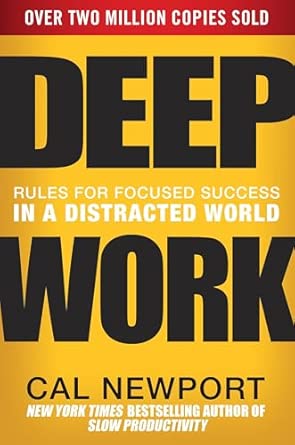
Deep Work by Cal Newport
Useful for understanding attention, distraction, and the value of protecting deep work blocks.
Verified ASIN: 1455586692

Rocketbook Smart Reusable Notebook, Flip Letter Size
Useful for reusable planning, brainstorming, quick capture, and reducing scattered paper notes.
Verified ASIN: B087QNH43N

The Time-Block Planner by Cal Newport
Useful for turning intentions into a visible time-blocked plan before the day starts.
Verified ASIN: 0593545397
How to use these product recommendations responsibly
- Use the timer for focus blocks, Deep Work for attention habits, Rocketbook for notes, and the Time-Block Planner for reducing context switching.
- Do not buy anything unless it solves a real workflow problem from the article.
- Each card links to the exact ASIN shown in the card with affiliate tag
papalex-20.
Amazon product pages, images, prices, editions, sellers, and availability can change. This code is designed to render product images through Amazon rather than copying or rehosting them.
Common mistakes and troubleshooting
Buying before diagnosing the problem
Sleepiness, distraction, stress, and overload need different fixes.
Ignoring caffeine stacking
Coffee, energy drinks, pre-workouts, and capsules can quietly add up.
Trusting proprietary blends
Hidden amounts make risk harder to judge.
Assuming natural means safe
Natural ingredients can still cause side effects or interactions.
Using supplements instead of care
Persistent or severe focus problems deserve professional evaluation.
Internal links for topical authority
Use these next-step guides to keep readers moving through the Gear Up to Grow knowledge base with contextual, helpful internal links.
FAQ
Do focus supplements work?
Some ingredients may help alertness or specific deficiencies in certain contexts, but evidence varies. Supplements do not replace sleep, medical care, or a good focus environment.
What is the safest focus supplement?
There is no universally safest option. Safety depends on the ingredient, dose, health conditions, medications, caffeine tolerance, and product quality.
Are nootropics safe?
Some are lower risk for some people, while others may cause side effects or interactions. Be cautious with stimulant blends and exaggerated claims.
Should I take supplements for brain fog?
Do not self-treat persistent brain fog with supplements alone. Review sleep, stress, nutrition, medications, and health conditions, and seek medical advice if it persists.
Can I add Amazon affiliate boxes to this article?
Avoid affiliate supplement boxes on this page. Health-adjacent content should prioritize safety, evidence, and trust over product sales.
Sources
- NIH Office of Dietary Supplements: Dietary supplement fact sheets
- FDA: Information on select dietary supplement ingredients
- CDC: Physical activity boosts brain health
- Harvard T.H. Chan School of Public Health: MIND Diet review
- Google Search Central: Creating helpful, reliable, people-first content
- Google Search Central: Introduction to structured data
- Google Search Central: General structured data guidelines
Sources and Further Reading
The following organizations provide evidence-based information on sleep, stress, and mental health. We encourage you to consult these resources and speak with a qualified healthcare professional for personalized guidance.