
<!–
SEO TITLE: How to Leave Your Comfort Zone Safely Without Burning Out
META DESCRIPTION: Learn how to leave your comfort zone safely using small stretch challenges, practical examples, troubleshooting tips, and a step-by-step growth plan.
PRIMARY URL: https://gearuptogrow.com/personal-development/comfort-zone/
RECOMMENDED CATEGORY: Personal Development
RECOMMENDED TAGS: comfort zone, personal growth, confidence, self improvement, resilience
IMPLEMENTATION NOTE: Article images now use live, publicly verified WordPress media-library URLs from gearuptogrow.com. Do not replace them with guessed upload paths.
–>
How to Leave Your Comfort Zone Safely Without Burning Out
Quick answer: Leaving your comfort zone safely means choosing small, meaningful challenges that stretch your skills without overwhelming your health, responsibilities, or nervous system. Start with one avoided action, scale it down, prepare support, act once, recover, and review what you learned before increasing the difficulty.
Answer snapshot
- Best first move: Choose one meaningful action you avoid, then shrink it until it is uncomfortable but clearly doable.
- Success signal: You complete the action once, recover, and write what you learned instead of judging the outcome.
- Avoid: Do not use comfort-zone work as a reason to ignore panic, burnout, safety, trauma, or health limits.
Comfort zone implementation upgrade
Before publishing, keep this article focused on one promise: help the reader choose a safe next stretch. The strongest reader outcome is not inspiration; it is a completed small action. Add examples, scripts, and recovery cues wherever the draft risks sounding motivational instead of practical.

Who this is for / not for
This is for you if:
- You avoid a conversation, task, habit, skill, or opportunity that matters.
- You want to build confidence without turning growth into self-punishment.
- You need a practical first step instead of vague advice like “just be brave.”
- You want a framework that works at work, school, in relationships, and in creative projects.
This is not for you if:
- The challenge would put your health, finances, job, legal safety, or relationships at serious risk.
- You are experiencing panic, trauma symptoms, or severe anxiety that needs qualified support.
- You are burned out and need recovery before adding more pressure.
Clear definition
Your comfort zone is the set of routines, behaviors, places, and expectations that feel familiar enough to manage. It is not automatically bad. A stable comfort zone can protect your energy and give you a base to recover.
The problem begins when comfort becomes avoidance. Avoidance means repeatedly staying away from something important because it feels uncertain, embarrassing, difficult, or emotionally risky.
Leaving your comfort zone means taking a small, intentional action outside your usual pattern so you can build skill, confidence, and adaptability without overwhelming yourself.
Comfort zone vs stretch zone vs panic zone
The goal is not to jump from comfort into panic. The goal is to spend more time in the stretch zone, where learning is challenging but recoverable.
| Zone | What it feels like | Best action |
|---|---|---|
| Comfort zone | Familiar, stable, low-friction, predictable. | Keep what works, then add one small stretch where it matters. |
| Stretch zone | Nervous but capable; uncomfortable but recoverable. | Proceed with preparation, support, recovery, and review. |
| Panic zone | Overwhelmed, unsafe, frozen, or unable to function. | Scale down, pause, add support, or seek professional help when needed. |
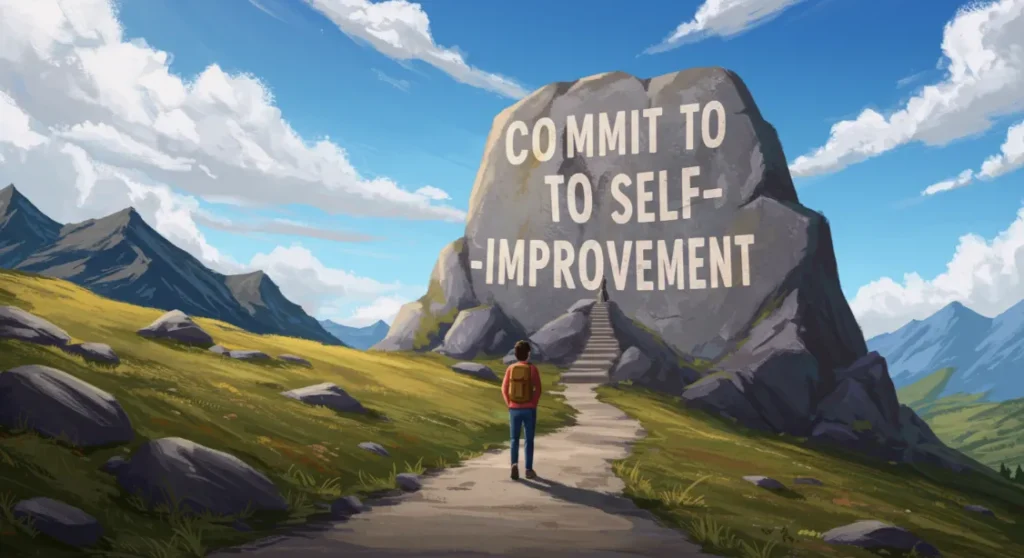
The SAFE Growth Framework
Use SAFE when you want progress without reckless pressure.
| Framework part | What it means | How to apply it |
|---|---|---|
| Select | Choose one meaningful growth target. | Ask: what am I avoiding that would genuinely improve my life? |
| Adjust | Scale the challenge down until it is doable. | Choose the smallest useful version you can complete this week. |
| Fortify | Add support, structure, and recovery. | Use a script, checklist, calendar block, practice round, or recovery plan. |
| Evaluate | Review the result before increasing difficulty. | Ask what happened, what you learned, and what the next small step should be. |
Step-by-step practical method
- Name the avoided action.
Be specific. “I avoid asking one question in meetings” is more useful than “I need confidence.” - Connect it to a real reason.
Choose actions that support learning, health, relationships, creative work, or self-respect. - Make the first step small.
Reduce the challenge until it feels uncomfortable but possible. - Prepare one support tool.
Use notes, a timer, a practice round, an accountability partner, or a recovery plan. - Do the action once.
Your first goal is completion, not perfect performance. - Recover deliberately.
Take a walk, breathe slowly, drink water, write notes, or step away from screens. - Review without drama.
Write what happened, what was easier than expected, and what you will adjust. - Repeat before escalating.
Repeat the same level until it becomes more familiar, then increase the challenge slightly.
Examples by situation
At work
Prepare one useful question before a meeting and ask it once. Next time, share a 60-second update.
Learning a skill
Complete one 25-minute beginner lesson and write three notes instead of trying to master the skill in a weekend.
Social confidence
Send one message, ask one low-pressure question, or invite one person for coffee.
Health routine
Walk for ten minutes after lunch three times this week before attempting a full workout plan.
Creative work
Share one rough draft with a trusted person before publishing publicly.

Implementation toolkit: turn one uncomfortable idea into a safe action plan
This section is the practical bridge between reading and doing. Use it to choose one stretch challenge, make it safe enough to complete, and review it without overthinking.
1. Pick the right challenge
Choose something that matters, not something random. A useful challenge improves a real area of life: communication, health, learning, relationships, creative work, or follow-through.
2. Shrink it until it is doable
If the action feels too big, reduce the audience, time, difficulty, or emotional intensity. The first version should be small enough to complete this week.
3. Add a support rail
Use a script, notes, a timer, a practice round, a friend, a recovery walk, or a planned stopping point. Support is not weakness; it is design.
4. Review the evidence
After the action, write what actually happened. Most people remember the fear more strongly than the result, so capture the real evidence quickly.
The comfort-zone ladder
Build a five-step ladder so you always have a smaller option when the full challenge feels too intense.
| Ladder level | Example for speaking up at work | When to move up |
|---|---|---|
| Level 1 | Write one meeting question in advance but do not force yourself to ask it yet. | You can prepare the question without avoiding the meeting. |
| Level 2 | Send the question privately to a teammate or manager. | You can send it without excessive rumination afterward. |
| Level 3 | Ask one clarifying question in a small meeting. | You recover within a reasonable time after the meeting. |
| Level 4 | Share a short opinion or update with notes prepared. | You can tolerate imperfection and still participate again. |
| Level 5 | Lead a short section, presentation, or decision discussion. | The earlier levels feel familiar enough to repeat. |
Copy-paste weekly plan
This week I will practice: [one specific stretch action].
The smallest useful version is: [a 5–20 minute version].
I will prepare by: [script, timer, checklist, practice, support].
I will recover by: [walk, notes, breathing, quiet time].
I will review: What happened? What did I learn? What is the next tiny step?
Practical field guide: choose the right stretch challenge
Use this section when you are ready to act but do not know how hard the challenge should be.
Green-light challenge
You feel nervous, but the step is short, safe, and reversible. Example: ask one question, send one message, practice for ten minutes.
Yellow-light challenge
You can do it, but you need preparation. Add a script, support person, time limit, or recovery plan before starting.
Red-light challenge
The action is unsafe, overwhelming, or likely to damage health or responsibilities. Shrink it or get qualified support.
The growth area I am avoiding is ____. The smallest safe stretch I can do this week is ____. I will prepare by ____. I will recover afterward by ____. I will review the result on ____.Helpful YouTube video
This TEDx talk pairs well with the article because it explains the difference between staying safe, learning, and overreaching.
Helpful tools for practicing small stretch challenges
Disclosure: As an Amazon Associate I earn from qualifying purchases. This section uses your Amazon Associates tracking ID papalex-20.
These tools are optional. They are included only for readers who want a habit framework, a simple notebook, visible time, or a planner to make one safe stretch challenge easier to repeat.
Amazon product images and affiliate links
These product cards use direct Amazon affiliate links with tracking ID papalex-20 and visible Amazon-hosted product images pulled from the matching Amazon product page for each ASIN. No prices, star ratings, or availability claims are hard-coded because those change.
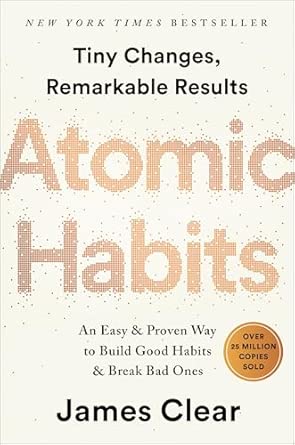
Atomic Habits by James Clear
Best fit when the article asks readers to turn growth or self-improvement into small repeatable habits.
Verified ASIN: 0735211299

Moleskine Classic Notebook, Large Ruled Hard Cover
Useful for reflection, weekly review notes, habit tracking, meeting notes, or planning one next action.
Verified ASIN: 8883701127

Time Timer MOD Home Edition 60 Minute Visual Timer
Useful for visible 25–60 minute focus blocks, stretch challenges, planning sessions, or distraction-free work.
Verified ASIN: B0DM3CY7L6

Full Focus Planner by Michael Hyatt
Useful for weekly goal planning, daily priorities, and connecting big outcomes to concrete next actions.
Verified ASIN: 1732189692
How to use these product recommendations responsibly
- Use the book for habit design, the notebook for reflection, the timer for short stretch blocks, and the planner for weekly follow-through.
- Do not buy anything unless it solves a real workflow problem from the article.
- Each card links to the exact ASIN shown in the card with affiliate tag
papalex-20.
Amazon product pages, images, prices, editions, sellers, and availability can change. This code is designed to render product images through Amazon rather than copying or rehosting them.
Common mistakes and troubleshooting
Choosing a challenge that is too big
If the action creates shutdown instead of learning, cut the challenge in half. Then cut it in half again if needed.
Treating fear as a stop sign
Nervousness may mean the action is unfamiliar. Real danger means stop; manageable discomfort means scale and support.
Skipping recovery
Growth is easier to repeat when your body learns that challenge is followed by safety.
Using discomfort to prove worth
Choose value-based challenges, not punishments.
Ignoring warning signs
If panic, trauma symptoms, or severe distress are present, get qualified support instead of forcing exposure alone.
Internal links for topical authority
Use these next-step guides to keep readers moving through the Gear Up to Grow knowledge base with contextual, helpful internal links.
FAQ
What does it mean to leave your comfort zone?
It means taking a small, intentional action outside your usual pattern so you can build skill, confidence, or adaptability. It does not mean taking reckless risks.
What is the best first step?
Name one avoided action and make it tiny enough to complete this week.
Is leaving your comfort zone always good?
No. It is useful when the challenge is meaningful, safe, and recoverable. It is not useful when it is harmful, reckless, or shame-driven.
How often should I do stretch challenges?
One or two small stretch actions per week is enough for many people. Sustainability matters more than intensity.
What should I do if I fail?
Treat failure as feedback. Reduce the difficulty, add support, and repeat a smaller version.
Sources
- American Psychological Association: What is exposure therapy?
- NHS: Facing your fears
- National Institute of Mental Health: Anxiety disorders
- Google Search Central: Creating helpful, reliable, people-first content
- Google Search Central: Introduction to structured data
- Google Search Central: General structured data guidelines